Matisse in Vence: The Stations of the Cross
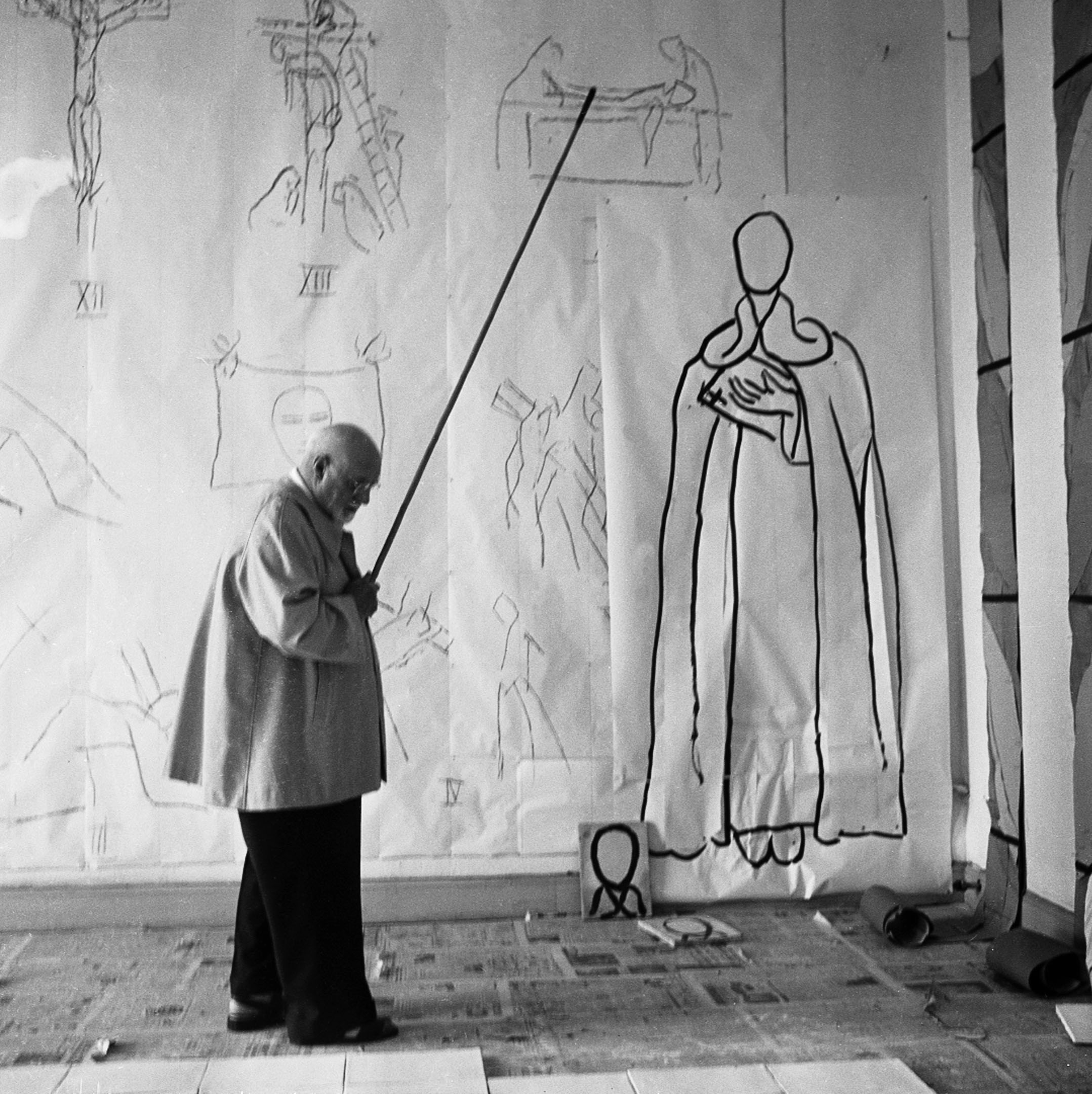
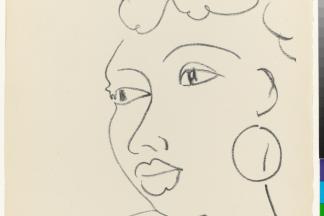
Experience a rare look into Henri Matisse’s creative genius. More than 80 drawings—brought together for the first time—reveal how the artist shaped his late‑career masterpiece, the Stations of the Cross mural, for the Chapel of the Rosary in Vence, France.
Matisse in Vence brings together loans from the Musée Matisse Nice, the Chapel of the Rosary, and private collections to offer visitors the invaluable opportunity to see and study a critical body of work from the final years of the Matisse’s life.
The Chapel of the Rosary, the only large-scale architectural project created by Matisse, is considered one of the highlights of his late career. The chapel is best known for its remarkable stained-glass windows; however, Matisse designed every detail of the space, including the building, all the interior elements, the priest’s vestments, and three large-scale black-and-white ceramic murals, including one depicting the 14 stations of the cross.
In 1943, to escape the threat of bombardment during World War II, Matisse moved from Nice to nearby Vence, where he renewed ties with a former model who had been his nurse and was in the process of becoming a Dominican nun under the name of Sister Jacques-Marie. Their reconnection led to Matisse’s four-year commission to design the interior and exterior of the Chapel of the Rosary.
The BMA is open until 9 p,m. on Thursdays.
The exhibition is free for BMA Members.